About Chatfield State Park
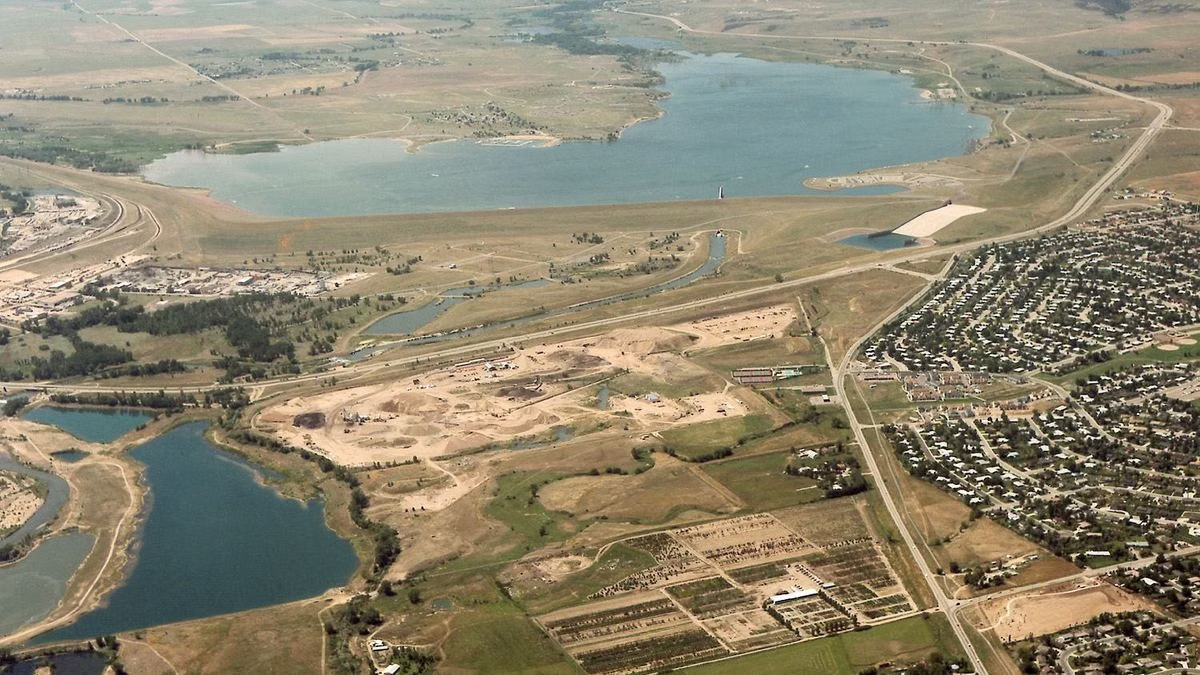
Chatfield State Park is a 5,381-acre Colorado state park in Littleton, on the southwest edge of the Denver metro area, built around Chatfield Reservoir where the South Platte River leaves the foothills at the mouth of Waterton Canyon. The U.S. Army Corps of Engineers built the dam for flood control after the June 1965 flood, finishing it in 1975, the year the park opened. Colorado Parks and Wildlife manages it today for boating, swimming, fishing, camping, more than 26 miles of trails, horseback riding, hot air ballooning and a 69-acre dog off-leash area.
The Park in Brief
A Long Human History
Colorado Parks and Wildlife calls the Chatfield area one of the oldest continuously inhabited places on the continent. At the Lamb Springs Archaeological Preserve, just south of the park, evidence shows people hunted or scavenged Ice Age animals, including Columbian mammoths, between 9,000 and 8,400 years ago. The Mouache Ute claimed much of the Front Range before European contact, and Jicarilla Apache, Comanche, Kiowa, Lakota, Arapaho and Cheyenne people all used the area at different times. By 1815 the land of today's Chatfield and Cherry Creek State Parks had become Cheyenne-Arapaho trading council sites.
Fur Traders, Gold and Settlement
The South Platte was a trade route for fur trappers; Slocum Cabin, one of the last fur trading posts built in Colorado, is counted among the oldest structures in the Denver area. In 1858 gold turned up at Dry Creek, about twenty minutes north, and set off the Colorado Gold Rush. The park takes its name from a Union Army veteran of the Civil War named Chatfield who bought land where Plum Creek meets the South Platte in the 1870s; the area and a nearby road still carry the name.
The 1965 Flood and the Dam
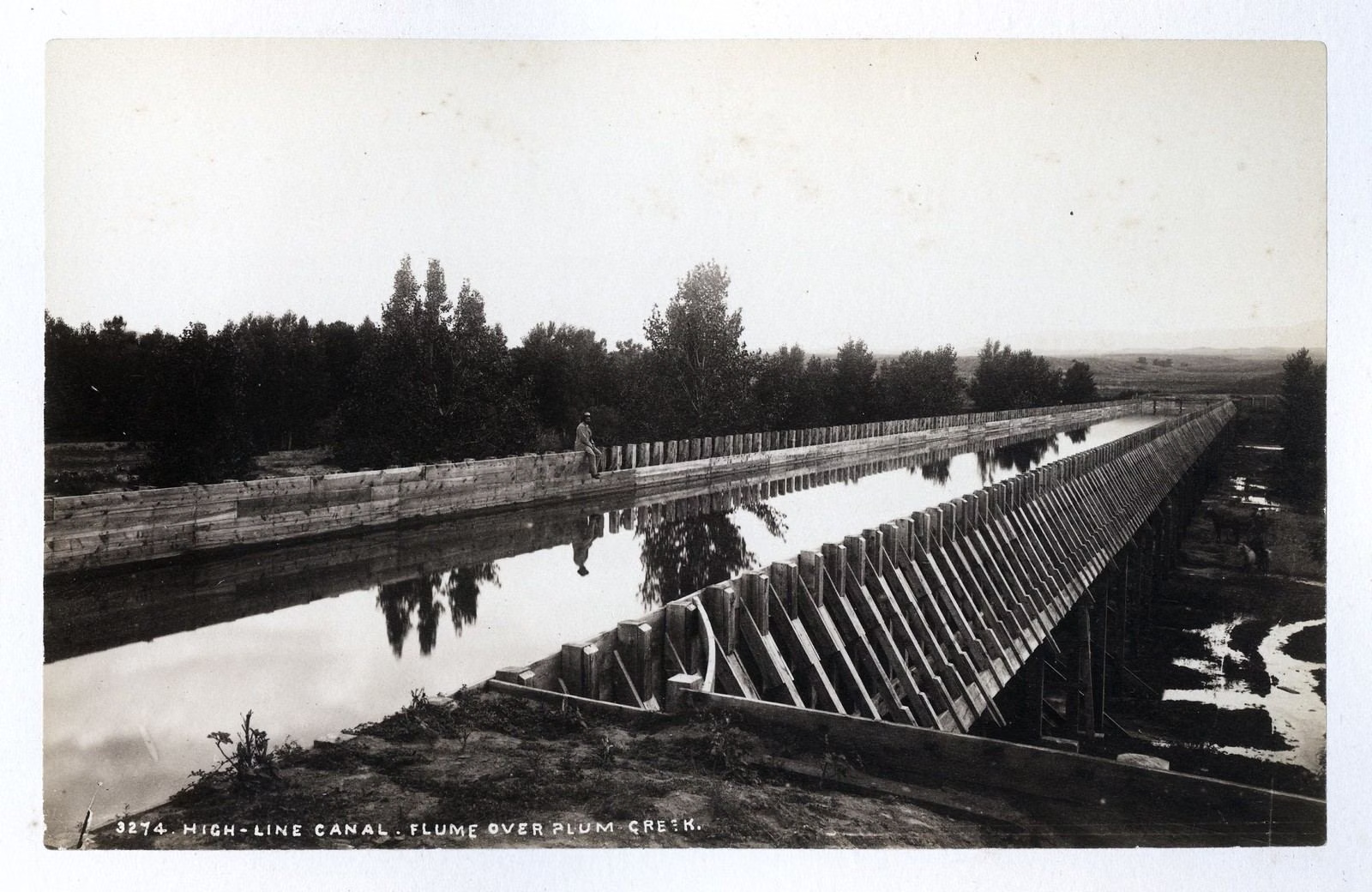
In June 1965 a rain-swollen Plum Creek pushed the South Platte over its banks, sweeping away homes and businesses from the Chatfield area into Denver. In response the U.S. Army Corps of Engineers began the Chatfield Dam and Reservoir project in 1967. Colorado State Parks signed a long-term lease to manage the recreation area in 1974, the dam was finished in 1975, and Chatfield State Park opened that year.
Habitats
Chatfield sits on a gently rolling plain of cobble, gravel, sand and clay at about 5,450 feet, with older sandstones and shales showing in places. The uplands are mixed prairie: sand dropseed, needle-and-thread, blue grama, western wheatgrass and little bluestem, with blazing star, prairie clover, yucca and prickly-pear cactus. The reservoir shore, the South Platte and the Plum Creek floodplain support big wetland and riverside communities, and ponds and wetlands at the park's southwest edge were created with the neighboring Lockheed Martin facility.
Birds and Wildlife
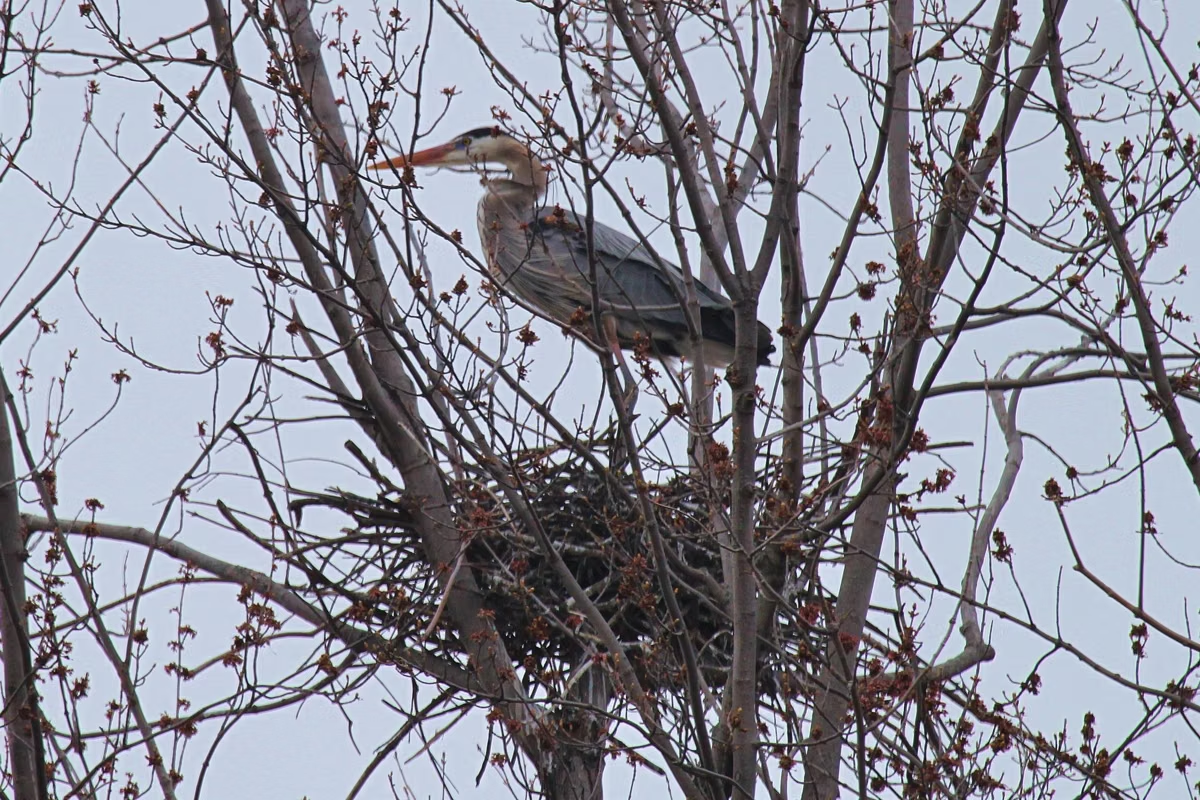
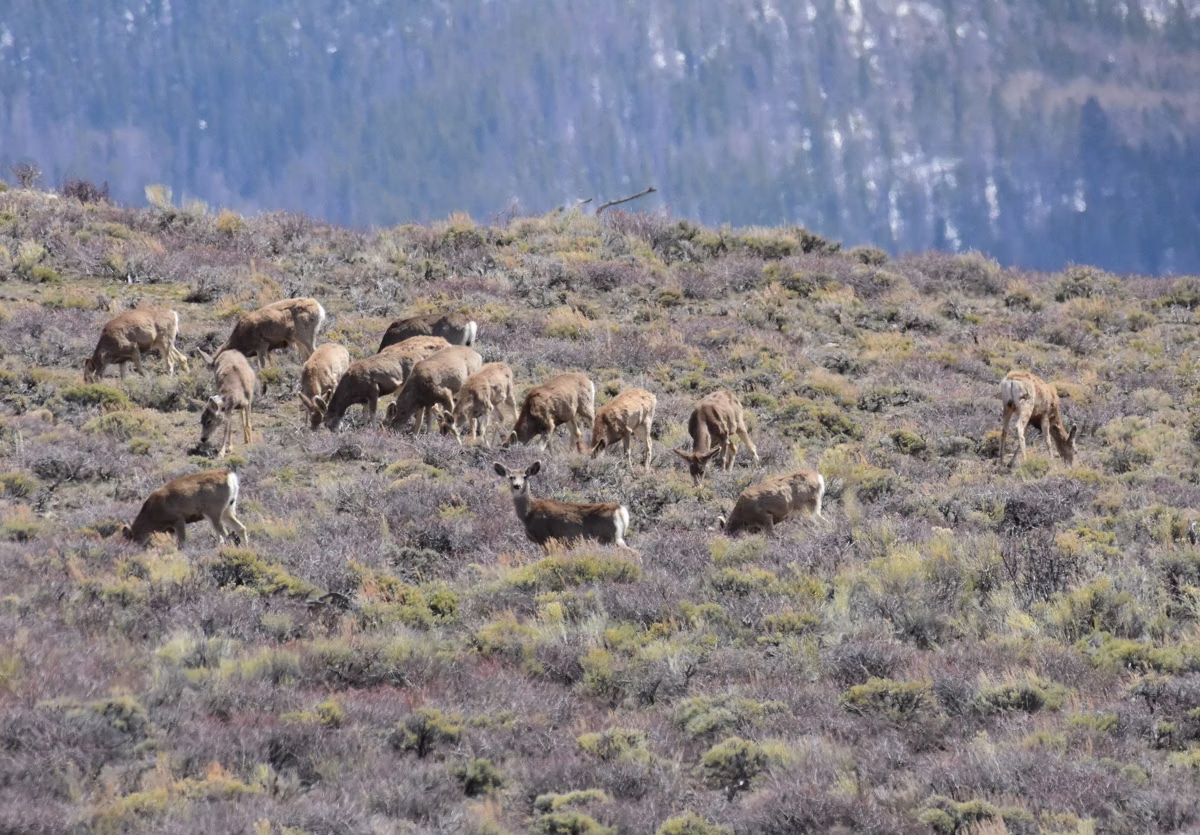
Hundreds of bird species have been recorded at Chatfield; CPW's bird checklist and its iNaturalist page are the best guides. Look for mallards, American white pelicans, house wrens and yellow-breasted chats, and great blue herons at the nesting trees south of the reservoir, which the Heronry Overlook picnic area looks out over. Mule and white-tailed deer, elk, coyotes and red fox are here, beaver and muskrat use the wetlands and ponds, and mountain lion and bear live or feed in the area. Reptiles include the prairie rattlesnake, western hognose snake, snapping turtle and six-lined racerunner. A Watchable Wildlife kiosk on top of the dam shows where to look.
CPW's birding tips: keep your distance, use binoculars, avoid nests and dens, don't play recorded calls, keep voices low, keep dogs leashed and never feed wildlife.
Chatfield State Park vs. Chatfield Farms
Denver Botanic Gardens Chatfield Farms is a separate place run by a separate organization. It is Denver Botanic Gardens' 700-acre working farm and native prairie in the foothills, with gardens, a community-supported agriculture program, the historic Hildebrand Ranch with its restored 1918 dairy barn, a seasonal butterfly house and a children's nature play area. It charges its own admission (parking is included with it), and it is not part of the state park. For Chatfield Farms hours and tickets, go to botanicgardens.org.
Who Runs What
- Colorado Parks and Wildlife: the state park, passes, camping, rules and rangers.
- U.S. Army Corps of Engineers: built the dam and reservoir.
- Chatfield Marina and Seagulls restaurant: a private concession (Marina).
- Big Horn Stables: private horse rentals and rides (Horseback Riding).
- Jeffco Aeromodelers: keeps up the model airplane field under an agreement with the park since March 2012 (Plan Your Visit).
- Denver Botanic Gardens: Chatfield Farms, a separate attraction with its own admission.
About Chatfield State Park FAQ
How big is Chatfield State Park?
Chatfield State Park covers 5,381 acres in Littleton, Colorado, according to Colorado Parks and Wildlife, around Chatfield Reservoir.
When did Chatfield State Park open?
In 1975, the year the U.S. Army Corps of Engineers finished Chatfield Dam. Colorado State Parks had taken a long-term lease on the recreation area in 1974.
Is Chatfield Farms part of Chatfield State Park?
No. Chatfield Farms is run by Denver Botanic Gardens, a separate organization, with its own admission. It is not part of the state park.
Who manages Chatfield State Park?
Colorado Parks and Wildlife (CPW) manages the park. The dam and reservoir were built by the U.S. Army Corps of Engineers.
What animals live at Chatfield State Park?
Mule and white-tailed deer, elk, coyotes, red fox, beaver and muskrat, plus prairie rattlesnakes and hundreds of bird species, including American white pelicans and great blue herons.
How This Site Checks Facts
This is an independent visitor guide to Chatfield State Park. It is not run by or affiliated with the Colorado Parks and Wildlife (CPW).
Hours, fees, rules and trail figures are checked against the CPW page for Chatfield State Park, last on October 24, 2026. Where this site and the agency differ, the agency is right.
If something here is out of date, please tell us through the contact page.